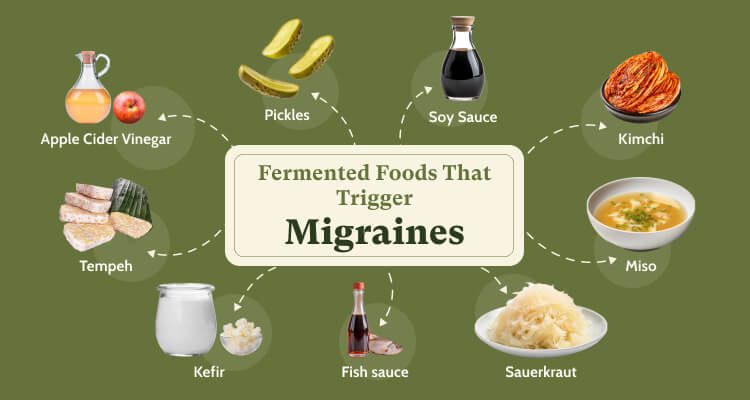
Migraines are more than just headaches—they are a neurological condition that can bring intense throbbing pain, nausea, sensitivity to light or sound, and hours of discomfort. Many people experience migraines due to stress, hormonal changes, lack of sleep, and weather shifts, but one of the most overlooked triggers is food. What you eat can either prevent migraines or trigger them instantly.
At the Neurology and Pain Management Clinic (NPMC), Dr. Gautam Arora (MBBS, MD, DM) often emphasises the powerful role of diet in managing chronic migraines. Here are the five best foods to include—and five common triggers to avoid.
5 Foods to Eat for Migraine Prevention
1. Magnesium-Rich Foods
Magnesium helps relax blood vessels and calm nerve signals, reducing both the frequency and intensity of migraines.
What to eat: Spinach, almonds, cashews, pumpkin seeds, bananas, avocados.
2. Omega-3 Fatty Acids
Omega-3s have strong anti-inflammatory properties and help reduce pain pathways in the brain.
Sources: Walnuts, flaxseeds, chia seeds, and fatty fish (if consumed).
3. Hydrating Fruits & Fluids
Dehydration is a major migraine trigger. Foods with high water content help maintain fluid balance.
Good choices: Watermelon, oranges, coconut water, cucumbers, grapes.
4. Ginger
Known for its anti-inflammatory and anti-nausea effects, ginger can calm migraine-related discomfort.
How to use: Ginger tea, raw ginger, or adding ginger to meals.
5. Whole Grains
Stable blood sugar prevents sudden headache flare-ups.
Best options: Oats, brown rice, whole wheat, and millets like ragi or jowar.
5 Foods to Avoid if You Have Migraines
1. Aged Cheese
These contain tyramine, a natural compound that triggers migraines in many people.
Examples: Cheddar, Parmesan, mozzarella, blue cheese.
2. Processed Meats
Preservatives like nitrates can cause sudden blood vessel changes, leading to headache onset.
Avoid: Sausages, salami, ham, bacon.
3. Chocolate
Chocolate contains caffeine and phenylethylamine, which can overstimulate the brain and trigger migraines.
4. Alcohol (Especially Red Wine)
Alcohol causes dehydration and contains sulfites and histamines—both common triggers.
Worst offenders: Red wine, whiskey, beer.
5. Excess Caffeine
Small amounts may help, but too much caffeine—or sudden withdrawal—can cause rebound headaches.
Limit: Coffee, energy drinks, strong tea, and colas.
Conclusion
While migraines cannot always be avoided, choosing the right foods can significantly reduce their frequency and intensity. Incorporating magnesium-rich foods, omega-3s, hydrating fruits, and whole grains can support better brain health. At the same time, avoiding processed meats, alcohol, aged cheese, excessive caffeine, and chocolate can help prevent unnecessary flare-ups. If migraines continue to affect your daily life, expert neurological evaluation is essential.