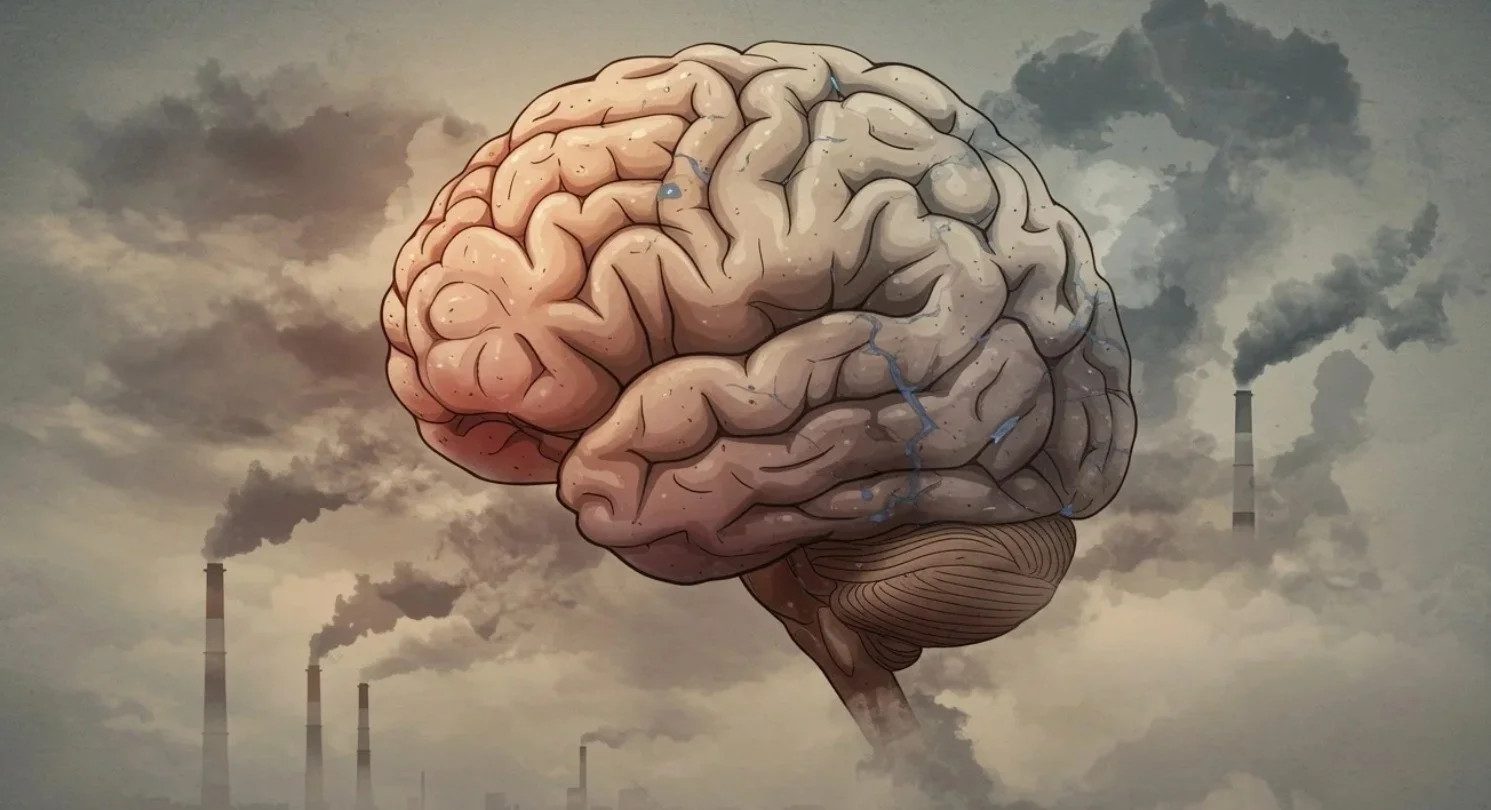
Air pollution is no longer just an environmental issue—it has become a major health concern, especially for brain and nervous system health. Many people notice their headaches worsen on high-pollution days, but few understand why. According to neurologists, polluted air can directly affect brain function and trigger both headaches and migraines.
At the Neurology and Pain Management Clinic (NPMC), Dr Gautam Arora (MBBS, MD, DM) regularly sees patients whose headache patterns are closely linked to environmental pollution.
How Pollution Affects the Brain
Air pollution contains harmful particles such as PM2.5, nitrogen dioxide, carbon monoxide, and ozone. These tiny particles enter the bloodstream through the lungs and reduce oxygen supply to the brain. This leads to inflammation of blood vessels, increased oxidative stress, and disruption of neurotransmitters—all of which are known headache triggers.
Pollution also irritates the trigeminal nerve, a major nerve responsible for facial sensation and headache perception.
Why Pollution Triggers Migraines
Migraines are especially sensitive to environmental changes. Polluted air can:
- Increase brain inflammation
- Alter serotonin levels
- Trigger vascular spasms
- Sensitise pain pathways
This makes people with a migraine history more vulnerable during winter smog, traffic exposure, or industrial pollution.
Common Headache Symptoms Linked to Pollution
-
Dull or throbbing head pain
-
Pressure behind eyes or forehead
-
Nausea or dizziness
-
Light and noise sensitivity
-
Brain fog or fatigue
These symptoms often worsen outdoors or during high AQI days.
Who Is Most at Risk?
People most affected include:
-
Migraine sufferers
-
Children and elderly individuals
-
Outdoor workers
-
Patients with sinus problems or asthma
-
Those living in high-traffic urban areas
How to Protect Yourself
To reduce pollution-related headaches:
-
Monitor daily AQI levels
-
Avoid outdoor exercise during high pollution
-
Use masks or air purifiers
-
Stay well hydrated
-
Maintain regular sleep patterns
Lifestyle modifications significantly reduce headache frequency.
When Should You See a Neurologist?
Consult a specialist if headaches:
-
Occur frequently during pollution exposure
-
Are severe or worsening
-
Include visual disturbances or numbness
-
Affects daily functioning
At the Neurology and Pain Management Clinic (NPMC), Dr. Gautam Arora (MBBS, MD, DM) provides advanced headache evaluation and customised treatment strategies.
Clean Air Matters for Brain Health
Pollution doesn’t just affect lungs—it affects the brain too. Understanding environmental triggers helps patients take control of their headaches and protect long-term neurological health. With the right care and awareness, even pollution-related headaches can be effectively managed.